
Free Resources
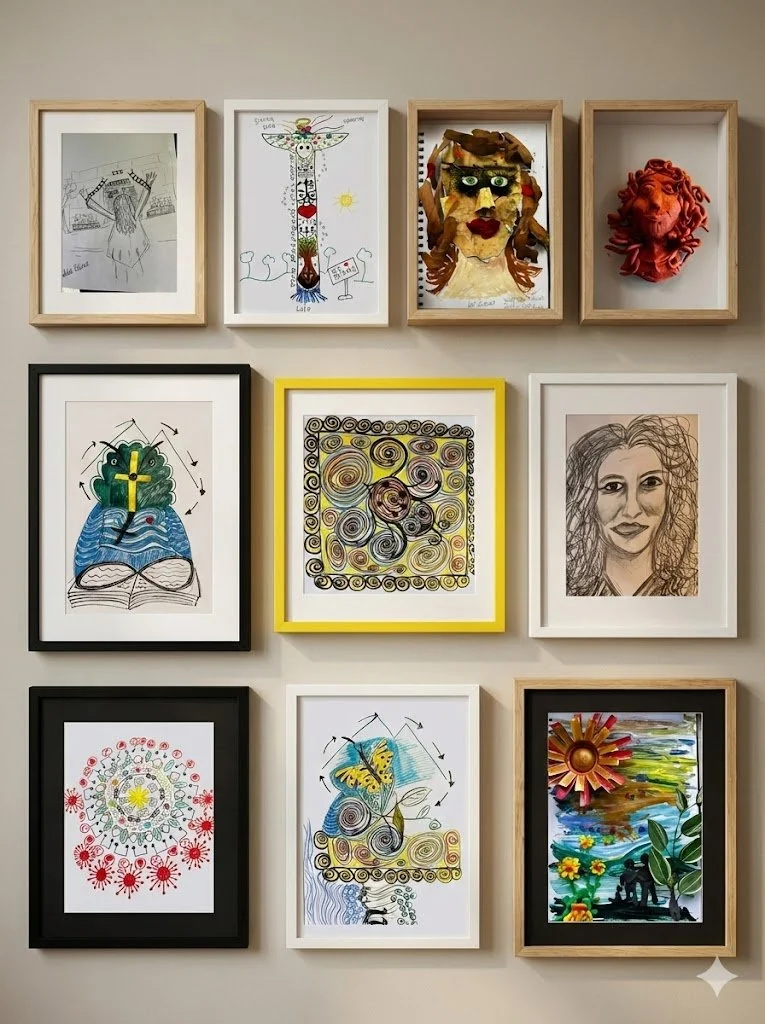
Simple tools to help you feel calmer, more grounded, and more in control—starting today.
You don’t need to have the right words.
You don’t need to “be good at art.”
These resources are designed to help you regulate your nervous system, release pressure, and reconnect with yourself—gently, creatively, and without overwhelm.
A Creative Pause – gentle self‑support.
Sometimes what we need most is not answers, but a moment to slow down and reconnect with ourselves.
A Creative Pause is a short, self‑guided creative experience offering a gentle check‑in and one simple art‑based activity you can use in the moment. It’s designed to support grounding, emotional regulation, and self‑reflection through creative making.
This tool is:
non‑diagnostic and non‑clinical
guided, but led by you
suitable for use independently
You don’t need any particular skills or materials — just curiosity and a few quiet minutes.
Sometimes, you don’t need a full therapy session—you just need something that helps in the moment.
These tools are inspired by the same creative and somatic approaches used within Phoenix Creative Therapy. They are simple, practical, and designed to support you (or your child) in everyday life.
Use them in your own time, in your own way.
How to use these resources
There is no “right way” to do them
Go at your own pace
If something doesn’t feel right, skip it
These are gentle tools—not something to get “perfect”
Small steps create real shifts.

1. The 5-Minute Nervous System ResetThe Phoenix Twist
Incorporate "The Heavy Cape" and "The Bubble" techniques from your drama warm-ups.
The "Shake-Off" (Somatic Release): Start with 30 seconds of gentle shaking—hands, then arms, then feet—as if shaking off water (or a "fizzy" day).
The Actor’s Breath: A 4-7-8 breathing pattern, but imagining you are breathing in a "color of calm" and exhaling a "color of tension."
Grounding (The Tree Pose): Imagine roots growing from your feet into the floor. Feel the weight of the floor supporting you.
The "Audible Sigh": A deep inhale followed by a vocalised "Ahhhh" to reset the Vagus nerve.

2. Understanding the “Coke Bottle Effect”The Overwhelm Explosion
Focus on the "Costume of Compliance" (the energy it takes to "act" okay all day).
The Analogy: Explain that school/clubs require a high level of "performance." When they get home, the "costume" comes off, and the pressure (the fizz) finally escapes.
The "De-Compression Zone": Suggest 20 minutes of "Low Demand" time. No questions about their day. Just snacks, a sensory activity, or quiet music.
Validation over Verbalisation: Acknowledge that the meltdown is a sign they feel safe enough with you to finally let go.
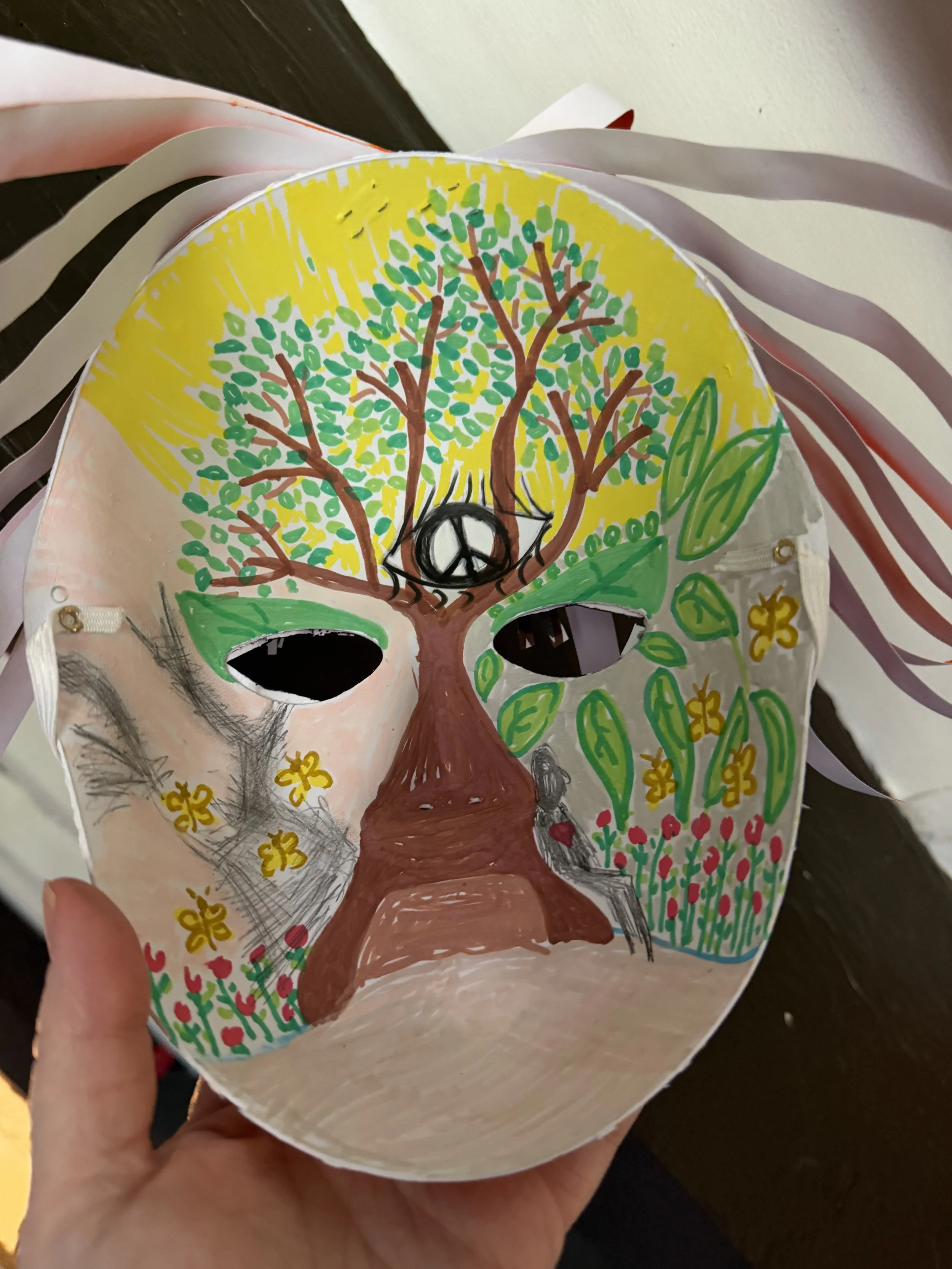
3. Creative Arts FocusThe Mask vs. Me Exercise
Use the literal metaphor of the "Comedy/Tragedy" masks to explore neurodivergent masking.
The Visual Task: Draw two large mask outlines.
The Outer Mask: Write or draw the words/emotions the world sees (e.g., "Quiet," "Smiling," "Helpful").
The Inner Mask: Write or draw the "hidden" feelings (e.g., "Loud," "Tired," "Confused," "Brilliant").
The Bridge: Identify one small thing from the "Inner Mask" that can be safely shared with one trusted person this week.

4. SEND Sooth4. Your Personal Calm Toolkit
Categorise these by the senses, similar to how Phoenix Creative Therapy would set up your sensory-friendly SEND sessions.
My "Stage Crew" (Support System): Who are the people who help the "show" go on when things get tough?
Sensory Props: * Touch: A weighted blanket or a specific fidget.
Sound: A specific "Phoenix" playlist.
Sight: A photo of a "safe" place or a darkened room.
The "Script" Change: Positive affirmations specifically for transitions (e.g., "I am moving from one scene to the next. I have everything I need.")
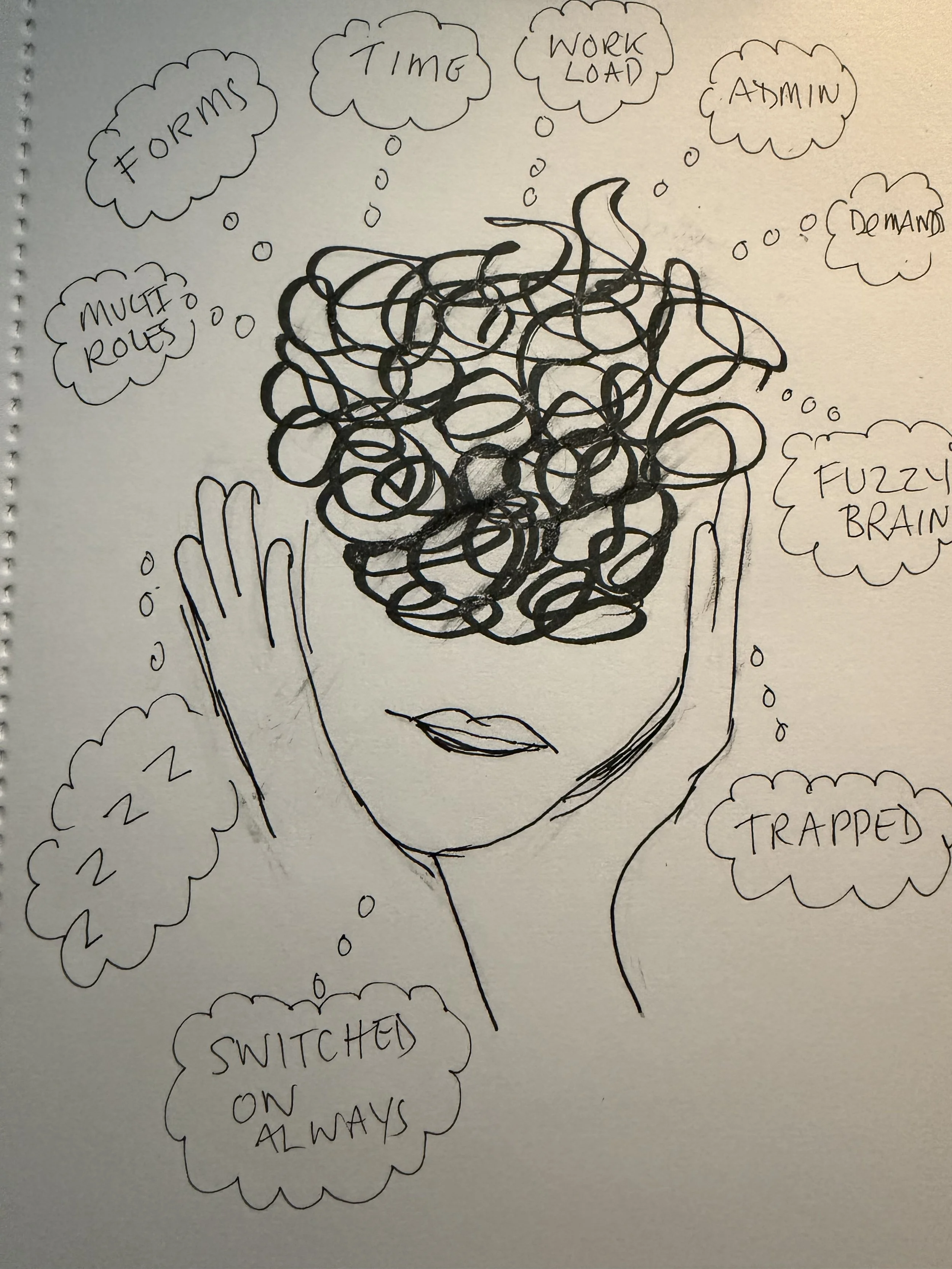
5. SEND Support5. Navigating Depression and Emotional Stress
This guide provides practical, creative tools to help families support children’s mental health.
Spotting Hidden Signs: Recognise how irritability and physical pain can signal depression.
Creative First Aid: Use art-based exercises like the "Worry Box" to process difficult emotions.
Visual Communication: Apply specialist tools like the "Feeling Bucket" to bridge communication gaps.
The Phoenix Soundscape: Playlists for the Soul
At Phoenix Creative Therapy, we believe music is a vital "member of the stage crew," helping to set the scene for relaxation, expression, and emotional safety. Whether you are looking to decompress after a long day or find a steady beat for your creative journey, these curated instrumental collections are here to support you
-
Best for: The "Coke Bottle" moments and after-school decompression. Specifically designed to help children and adults "shed the heavy cape" of the day. This selection of gentle, grounding instrumentals provides a soft landing during difficult transitions, helping the nervous system move from "fizzy" to calm. 👉 Listen on Spotify
-
Best for: Building inner strength and the "Personal Calm Toolkit." A collection of steady, uplifting tracks to accompany your moments of reflection. Use this playlist as background for your daily resets or when you need to remind yourself that you are the director of your own story. 👉 Listen on Spotify
-
Art-making, the "Mask vs. Me" exercise, and mindful scribbling. Find your flow with this ambient soundscape. These tracks are chosen to lower the sensory "noise" of the world, creating a safe, quiet "bubble" where your creativity can take center stage without pressure or judgment. 👉 Listen on Spotify
-
Best for: Moving through low mood and finding your "Inner Magic." A selection of music that grows in warmth and light. This playlist is a companion for those navigating more difficult emotional scenes, offering a sense of movement, hope, and the reminder that every story has the potential for a new beginning. 👉 Listen on Spotify
-
Best for: Navigating the gruelling journey of fertility treatments, pregnancy, and the NICU. Featuring the emotive work of Ludovico Einaudi, this collection is designed to help you remain positive and calm through the highs and lows of the fertility journey and a baby's first year. It is a gentle space to soothe the soul when things feel overwhelming. 👉 Listen on Spotify
-
Best for: Collaborative healing—in the car, the bath, or under the stars. This is our open, collaborative list! We invite you to add the songs that ground you so others can find peace in your music too. Whether you're on holiday, at a campsite, or just at home, listen to the collective sound of the Phoenix community. 👉 Listen on Spotify
-
How to Use the Phoenix Playlists for Co-Regulation
As a parent, you are the Lead Actor in your home. When your child is "fizzy" or overwhelmed, their nervous system will naturally look to yours to find safety. Using these playlists can help you both find a steady beat to follow.
Set the Scene (Pre-Arrival): Start playing Soothing Transitions 10 minutes before your child gets home from school. This lowers the "sensory noise" of the house and prepares the environment for the "De-Compression Zone."
The "No-Demand" Background: During the first 20 minutes of home-time, keep the music at a low volume. This provides a "Sensory Anchor" that doesn't require the child to process speech or answer questions while they are shedding their "Costume of Compliance."
Creative Parallel Play: If you notice your child is withdrawn, put on Creative Therapy Calm and start your own creative task—like sketching or mindful scribbling—nearby. Often, a child will be drawn into the "calm bubble" you've created and start their own expression.
Vocal Grounding: Use the tracks in Resilient Affirmations to practice your "Actor’s Breath" or "Audible Sighs" together. The rhythm of the music can help pace the 4-7-8 breathing pattern, making it easier for a child to follow your lead.
Changing the Script: If the mood feels "stuck" or heavy, transition to Hopeful Journey. The subtle shift in musical energy can help "pivot" the emotional atmosphere of the room, signalling that the difficult "scene" is coming to an end.Item descriptionm description
These resources are designed to support wellbeing but are not a substitute for professional medical or therapeutic advice.
If you are struggling or need more personalised support, please seek help from a qualified professional or reach out to discuss how I can support you.

NOT SURE WHERE TO START?
If you’re not sure which resource is right for you—that’s completely normal.
Start with the 5-Minute Reset, or reach out for a free Virtual Tea Break and we can gently figure it out together.